Showing posts with label During Pregnancy. Show all posts

Saturday, 31 January 2015

The Signs and Symptoms of Early Pregnancy

Some women declare that they just "know" that they are pregnant, just soon after conception. Symptoms vary greatly among women, however, and some women have few symptoms early in pregnancy. Luckily, Mother Nature has created several different early pregnancy signs that will help women to realize that they may be pregnant.

Symptoms of early pregnancy include missed periods, breast changes, tiredness, frequent urination, and vomiting and nausea (morning sickness). However, these symptoms might be caused by other factors and do not suggest that you are pregnant, so if you suspect you're pregnant take a home pregnancy test and see your doctor.

Exhaustion or Fatigue

Early pregnancy can make a woman feel extremely tired. A heightened need for sleep, or the sudden requirement for a nap in the middle of the afternoon may well be a sign of pregnancy. The feeling of exhaustion is common for a lot of women at this early stage of pregnancy, also it usually disappears until the last stretch of pregnancy, following the First Trimester.

Fatigue

Overwhelming tiredness is common in early pregnancy. This really is most likely caused by the massive rise in the sex hormone progesterone. Progesterone is required to maintain the pregnancy and help the baby to develop, but it also slows your metabolism. Levels of energy usually rise again by round the fourth month of pregnancy once the placenta is well established.

The Many Moods of Early Pregnancy

The moods swings of early pregnancy are often intensified versions of what some women feel when their hormones start to swing. Pregnant women often experience mood fluctuations early in pregnancy and often describe it as being strong PMS mood swings. General pregnancy stress might also contribute to mood swings in early pregnancy.

Bloating

Bloating can be a symptom of pregnancy when it does not go away after a couple of days, which is more common with women who've some bloating before a period. Clothing may feel tighter, even just in this early stage of pregnancy. Women who don't notmally deal with any monthly bloating, may notice this early pregnancy symptom first.

Breathlessness

In the onset of pregnancy the hormone progesterone increases your lung capacity. This allows you to carry more oxygen to your baby and get rid of waste products such as the carbon dioxide that you simply both produce. At each breath you breathe deeper and the amount of air a person inhales (and exhale) increases significantly. This can make you are feeling short of breath.

Increased Trips towards the Ladies Room

Increased trips towards the bathroom usually begins when women are several weeks "late" with their period, or around 6-10 weeks right into a pregnancy. This can be a sign for women who understand that their bathroom trips tend to be more frequent, without an increase in fluid intake. Frequent urination is really a sign of early pregnancy.

Tender Breasts

One of the earliest signs of pregnancy that women often report, is really a soreness or tenderness for their breasts. Some women notice early breast size increases at the moment. This can be a common symptom for women who experience breast tenderness in their monthly cycle, but during early pregnancy, the tenderness seems more common for any greater number of women.

Morning sickness

Nausea during pregnancy can happen with or without vomiting. While morning sickness is most common between weeks four and eight of pregnancy, many women experience this symptom beginning about fourteen days from their date of conception.

Bloating

Having trouble buttoning your jeans? Early pregnancy bloating is hard to differentiate from pre-period bloat, but it's definitely something you'll feel early on (for many women, that is). You can't blame that puffy ate-too-much feeling on your baby yet, however, you can blame it around the hormone progesterone, which helps slow down digestion, giving the nutrients from foods you consume more time to enter your bloodstream and reach your baby.

Sensitivity to Particular Smells or Odors

Women sometimes possess a heightened sensitivity to certain smells or odors in early pregnancy. Some women can't bear the odor of greasy foods cooking without gagging. Others feel queasy with lots of different odors. Early pregancy seems to be a time when some women react strongly to some variety of smells or odors.

Wednesday, 30 July 2014

Morning Sickness During Pregnancy

Morning Sickness
Morning Sickness
Morning sickness is the most common medical condition of early pregnancy. How bad the sickness is differs from woman to woman. You may get the odd bout of mild queasiness whenever you first wake up, or certain smells might trigger your nausea through the day. Or you may have to endure weeks or even months of feeling or being sick.

Generally, morning sickness doesn’t harm the woman or the unborn child. However, severe morning sickness which includes weight loss and dehydration needs prompt medical attention.

What is morning sickness?

That nauseous, queasy feeling in your stomach, which could sometimes lead to vomiting - so innaccurately dubbed morning sickness, since it can hit at any time of the day or night, especially within the first trimester of pregnancy.

Morning sickness is more common in:

  • First pregnancies
  • Multiple pregnancies such as twins, triplets or more
  • The first trimester (first 14 weeks)
  • Women who are prone to motion sickness or sea sickness
  • Women who are fatigued and exhausted
  • Periods of stress

Morning Sickness Facts

More than 50% of all pregnant women experience morning sickness. Morning sickness refers to the nauseated feeling you get during the first trimester of pregnancy. Morning sickness can be, however is not always, accompanied with vomiting. The nausea is really a result of the increased hormones in your body. Many doctors think morning sickness is really a good sign because it means the placenta is developing well.

How Many Pregnant Women get Morning Sickness Symptoms?

Morning sickness is very common, and is reported by 50% - 80% of pregnant women. Specifically, 28% of pregnant women experience nausea only, while 52% experience nausea and vomiting. 20% of pregnant women may have no symptoms at all. The symptoms commonly start 5 weeks after conception and end by week 15 in 60% of affected women. 9% of affected women have symptoms persist beyond week 18 of pregnancy.

What are the Causes of Morning Sickness?

There are many hormonal changes that occur in a woman's body during the first few weeks of pregnancy which are thought to contribute to morning sickness. Human chorionic gonadotropin (hCG) hormone is a prime suspect and lots of doctors notice a link between high hCG levels along with a woman's nausea level.
The enhanced sense of smell many women experience can also be a culprit. Depending on the woman, some odors can be nauseating and overwhelming so everyday smells can trigger the gag reflex and lead to vomiting. Even more simply, often the changes a woman's body undergoes may cause her gastrointestinal tract to become more sensitive leading her to vomit more.
Morning Sickness During Pregnancy

Morning Sickness Symptoms

More than one-half of all pregnant women will suffer morning sickness symptoms. Morning sickness symptoms can strike within the 4th or 5th week of gestation and last before the 16th week. Most pregnant women report morning sickness symptoms gradually worsening until peaking within the 9th week. The most common morning sickness symptoms are nausea, vomiting and light-headedness.

Wednesday, 8 January 2014

Good Personal Hygiene Tips During Pregnancy

Every woman must inculcate good personal hygiene habits. A poor hygiene routine spells good news for that germs and bad news for your career, health and relationship. If your hands are stranger to sanitizers you may be at risk of catching some annoying infections and deadly germs. Don't let the invisible bugs, yeast infections and bacterial growth creep on you.

Some of these changes are needed to assist foetal development and also to prepare the body for labour, increased alteration in hormones during pregnancy can also intensify dental problems. Therefore, maintaining personal hygiene becomes increasingly essential during pregnancy.

  • In your intimate hygiene use liquid cleaners uniquely formulated for pregnancy, and select one by having an acid PH, possessing natural ingredients and also have antibacterial and soothing properties, to safeguard and properly moisturize your intimate area. Keep in mind that intimate soap should have a ph that respects the natural acidity of your intimate area.
  • It's not recommended during pregnancy that uses intimate deodorants or powders, or whenever you shower use bath salts or bubbles, use only cleaners created for this intimate pregnancy
  • Do not use tight-fitting underwear or man-made materials, the clothes you should be lightweight, comfortable and absorbent, to prevent moisture and promote wellness.
  • It's important to wear cotton underwear, that allows the skin to breathe; underwear ought to be changed frequently, and whenever necessary, have to wash it with a mild detergent and really should be completely dry before use to prevent humidity in this region.
  • You should not douche for your personal hygiene during pregnancy, because the only stuff that will make you will destroy your vaginal flora, since the vagina is an organ that cleans just inside, so it's not advisable to make vaginal douches, because they will produce an alteration vaginal flora and could be more easily increased chance of infection.
  • Keep your genital area clean so that you wash every time you use the bathroom, always clean the perineal area from tailgate to cab and hold a towel for your personal use only.
  • Do not worry an excessive amount of about the loss of vaginal discharge since you do not pose any problem, on the exact opposite, plays a beneficial role since it keeps the vagina clean and protects it from possible irritation.
  • During pregnancy very significant hormonal changes that cause a series of alterations of the skin and mucous membranes occur, there is a risk of genital infection, hence there's any change in vaginal discharge, and will be a gynecological examination.
  • It's not recommended the continued use of panty liners, it might cause an increase in temperature and cause harmful bacteria to amass and in this way the skin of the area not breathe properly, can cause odors, irritation and become a source of infection.

Friday, 27 December 2013

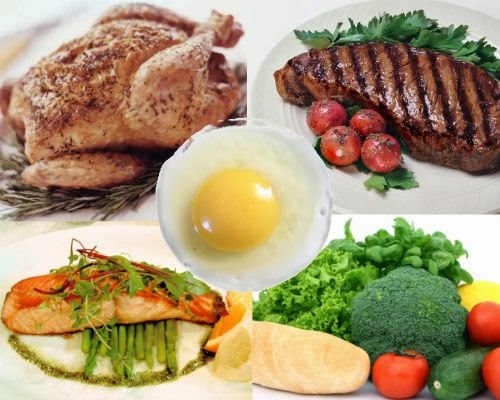
Protein Rich Foods to Eat During Pregnancy

Protein is the cover girl of nutrients these days, getting raves from many successful dieters. Because you know weight-loss diets are downright dangerous for pregnant women and their babies, you need to appreciate protein during pregnancy on a deeper level - for that brain power behind the beauty.

Eating a balanced diet high in fruits, veggies, whole grains, lean proteins, and healthy fats is essential to a healthy pregnancy. During pregnancy, it's even more important to get enough of certain nutrients for that benefit of mom and baby. We've compiled a list of the best protein foods for pregnancy

Cottage Cheese

Creamy and versatile, cottage cheese packs in approximately 15 grams of protein per 1/2-cup serving. Perfect plain or spiced track of a sprinkle of cinnamon, additionally, it works well in lasagna and other cheesy pasta dishes or perhaps stirred into pancake batter. For a sweet breakfast treat or anytime pick-me-up, pair cottage cheese with a 1/2 cup of diced pineapple or melon. Worried about fat content? Low fat cottage cheese (1 percent or 2 percent milk fat) clocks in at 100 calories and 2 grams of fat per 1/2-cup serving. Regular cottage cheese contains 116 calories and 5 grams of fat per half cup.

Eggs

Eggs are a good supply of protein, contain beneficial amounts of iron and B vitamins, and supply your pregnancy with choline, an important nutrient for brain development. Plus, locked up in every sunny yellow egg yolk is around 20 IU of the sunshine vitamin, giving you a little egg-stra motivation to incorporate this nutritional powerhouse in your prenatal diet.

Fish/Seafood

Certain types of seafood can provide ample protein. The best seafood to consume during pregnancy diet include wild salmon, tilapia, trout, shrimp, lobster meat, crab meat and canned clams. Just like meat, a 3-oz. serving of these types of seafood will give you about half your daily protein needs. However, observe that not all seafood is considered safe for pregnant women as well as their babies. Many fish have a high mercury content, that is believed to be detrimental to a fetus's developing brain.

Lentils

With 8 grams of protein per 1/4-cup serving, together with plenty of fiber, iron, and slow-burning carbohydrates, there’s a lot to like about lentils now that you’re pregnant. Low cost and occasional in fat, the legume seeds provide more folate/folic acid than any other unfortified food: eating half a cup of cooked lentils a day provides 180 mcg of folate, or approximately 45 percent of the RDI for pregnant women. Canned lentil soup creates a quick snack or protein-packed hot lunch.

Meat

Probably the most well-known source of protein is meat. The protein we get from meats contains all of the amino acids necessary for fetal cell development. Protein-rich meats include beef, chicken, veal, lamb, duck, turkey and pork. Choose lean cuts of meat, as fatty meats can be harmful to baby and for you. Note that a 3-oz. serving on most of these meats will provide around 20 to 25 g protein.